
How to sell second-hand items online: why your listing isn't selling and how to fix it
Most listings don't stall because of the item. They stall because buyers can't judge its condition or trust the seller. Here's how to change that.
In this article
You take a quick photo, write a couple of lines, add a price and wait. That's how most listings are made, and some of them then sit online for months. The item usually isn't the problem. Buyers just can't work out what they're getting, or they don't trust the listing. Here's what most often holds a sale back and what to do about it, wherever you sell.
Why your listing isn't selling
Buyers decide in seconds, and they can't pick the item up. They need three quick answers: what is it, what condition is it in, and will this seller be easy to deal with? If one answer is missing, they move on to the next listing. That's why small details can matter more than the price.
A photo can't show everything. Film a short video
Most listings rely on photos. But a photo can't show whether a drawer runs smoothly, whether a phone turns on or how fabric moves. So the buyer asks, you send more photos, and some people give up along the way.
15 to 30 seconds on your phone is enough:
- show the whole item, then a close-up of any damage,
- prove it works: switch it on, open it, unfold it,
- film in daylight and in portrait mode,
- don't edit anything or hide faults, because the buyer will see them at collection anyway.
Video isn't unique to one service. eBay allows one video per listing, and Gumtree takes a YouTube link added on its website (both help pages checked on 1 November 2026). On Batner, the video sits in the listing itself, so buyers see it straight away and you don't have to send it to each person. They can also browse short videos with a swipe. Video pays off most with electronics, furniture and children's items.
Photos that sell
Even with a video, the first photo decides whether anyone clicks.
- Clean the item. Five minutes with a cloth is the cheapest way to raise your price.
- Use daylight and a plain background. A photo by the window beats one taken with a flash.
- Start with the whole item. Close-ups belong in the later shots.
- Photograph the faults and the label. You'll get fewer questions about condition. Use your own photos, not stock images.
Description: answer what the buyer would ask
‘For sale, hardly used, call me’ usually isn't enough. A good description answers the usual questions in advance:
- brand, model, size or dimensions,
- age and reason for selling,
- true condition, including faults,
- what's included,
- where the item is and whether you can post it.
Put the words people would search for in the title, for example ‘Dyson V8 cordless vacuum, grey’ rather than ‘great hoover’.
Price: leave room to negotiate
Don't price from memory of what you paid. Check what similar items actually sell for. On eBay, search for your item and switch on the Sold Items filter to see what buyers paid. Also look at what's listed near you. Then set your price slightly above the amount you want, because haggling is normal on classifieds and local selling apps. It helps to see what a buyer will really pay without a long back-and-forth.
That's why Batner lets buyers make a price offer in the chat, and you decide whether to take it. If you can't agree on money, a swap for something else may work. And if an item isn't worth selling, you can give it away to someone nearby.
Communication: don't share more than you need to
Putting your mobile number in a listing is the traditional way to reach buyers. It has downsides: you end up answering unknown numbers, and once a conversation leaves the app, it's harder to keep track of who said what. Scams are common enough to plan for. In an Experian survey of 2,002 UK adults from September 2025, 37% said they had experienced a scam on an online marketplace.
On Batner, buyers and sellers message each other directly in the app. You can also talk there by audio or video call, so a buyer can check an item's condition before travelling to see it. Everything stays in one place, and there's no need to put your number in the listing.
Trust: ratings beat promises
Writing ‘genuine seller’ doesn't do much. A complete profile and real ratings do more. Batner has reviews and ratings for sellers, so it's worth handling even small sales quickly and honestly. The next buyer will be looking for that. Check the other person's profile too, because Which? reminded sellers in May 2024 that scammers can be buyers too.
Handover and payment
For a local sale, meet in a busy public place, ideally with CCTV, and take someone with you rather than inviting a stranger home. Let the buyer try the item there. If you need a place to meet, you can share your location in the Batner chat.
Don't release an item because someone shows you a payment screenshot. Log in to your own bank or payment account and check for yourself. Derbyshire Police's advice from April 2022 still applies: wait for a bank transfer to clear before handing over the goods. Never follow an unknown link to ‘receive’ money, and ignore requests to ‘verify your card’. Where a service has its own checkout, use it. Vinted, for example, warns that purchases paid for outside its system aren't protected and that it can't offer support for them.
For help choosing where to sell, see our article Alternatives to Vinted.
Quick checklist before you publish
- The item is clean and photographed in daylight.
- You have a short video if function or condition matters.
- The title includes the brand and type of item.
- The description gives dimensions, condition and faults.
- The price leaves room for negotiation.
- You know how you'll hand the item over.
If the item hasn't sold within two weeks, don't just cut the price. Change the first photo and add a video first.
Latest offers
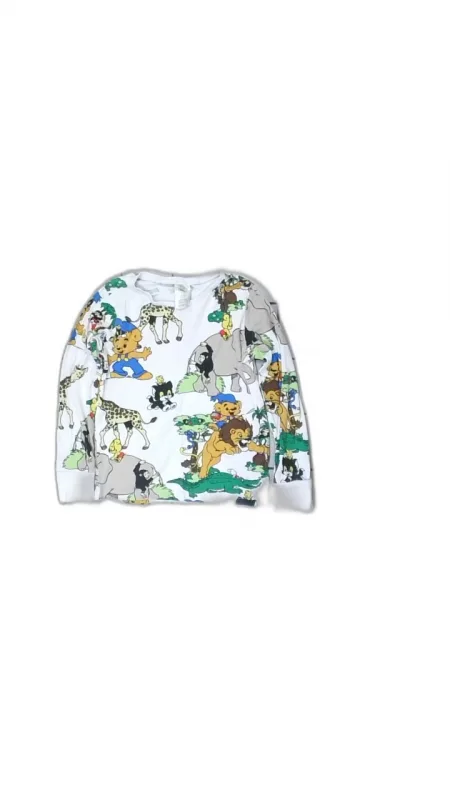 £ 6
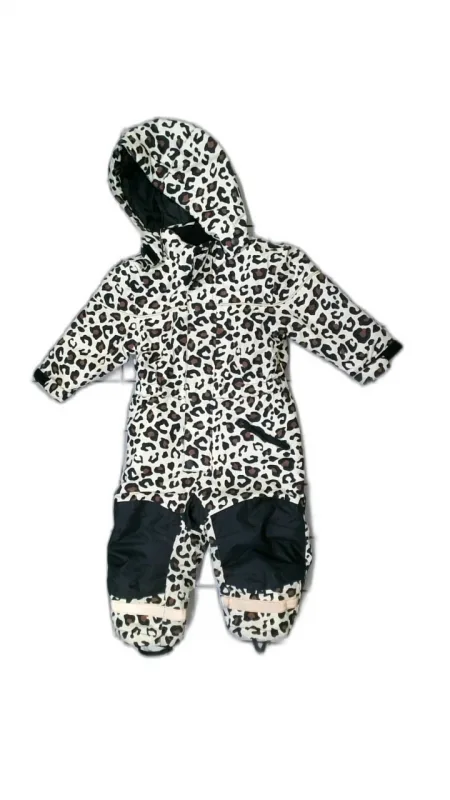 £ 6
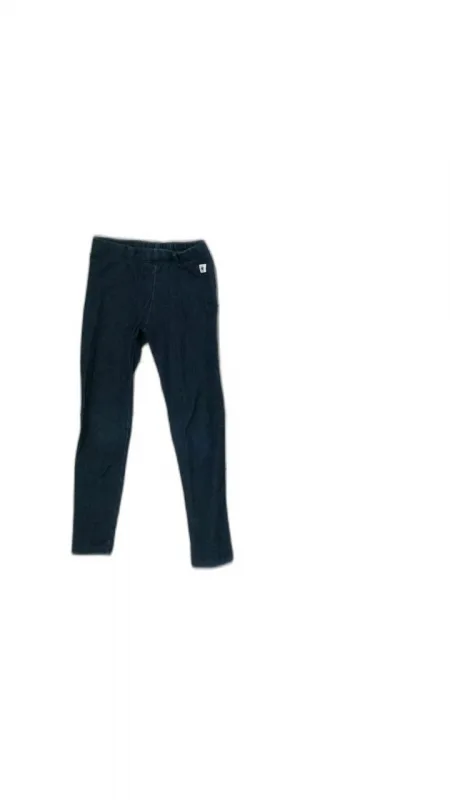 £ 6
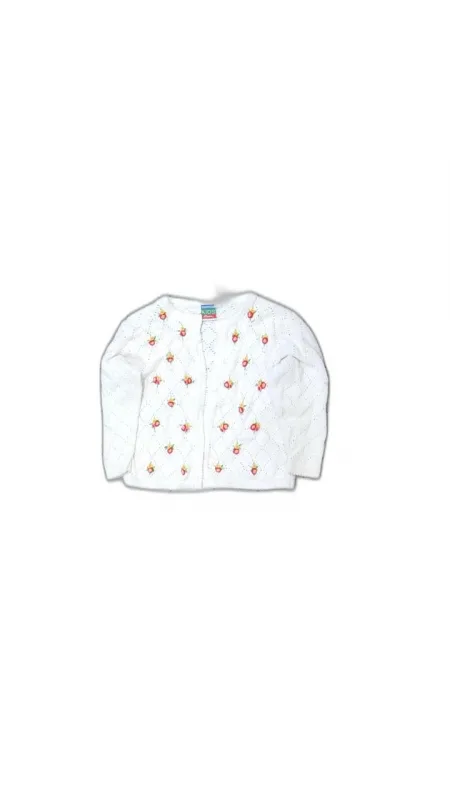 £ 3
 £ 6
 £ 6
Got something at home you no longer need?
Post a listing